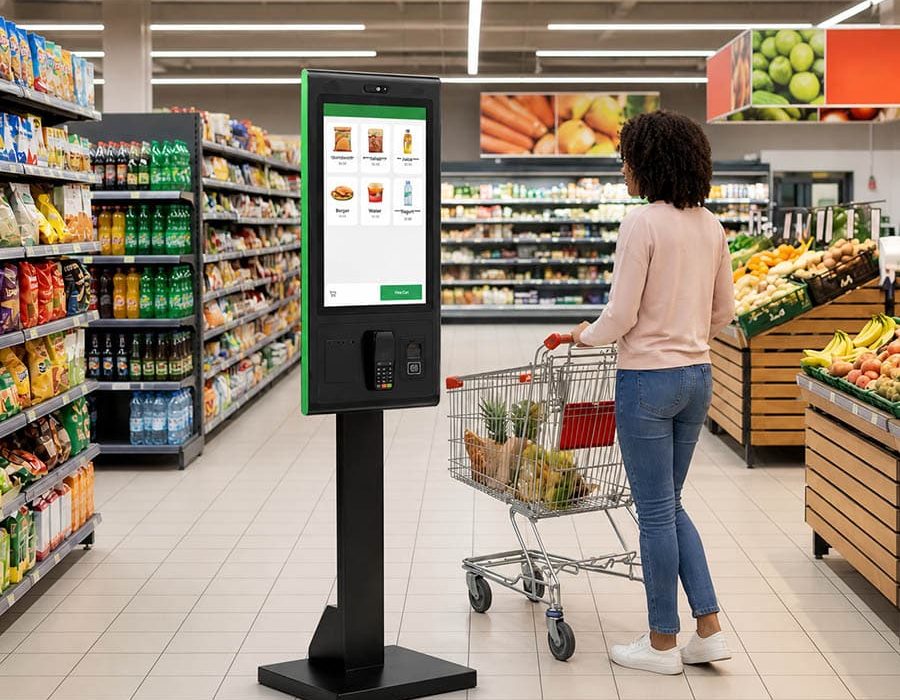
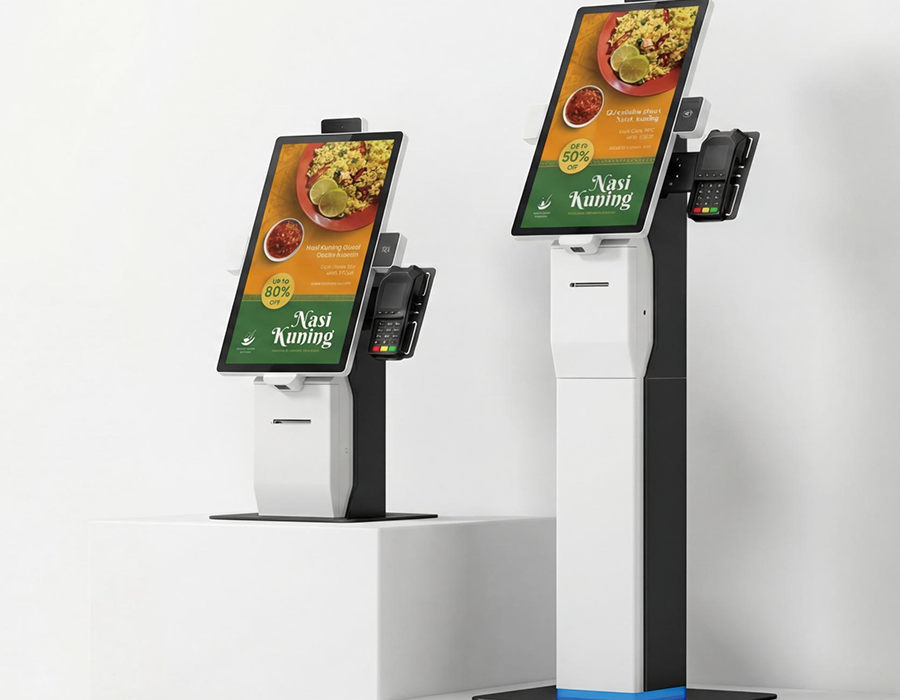
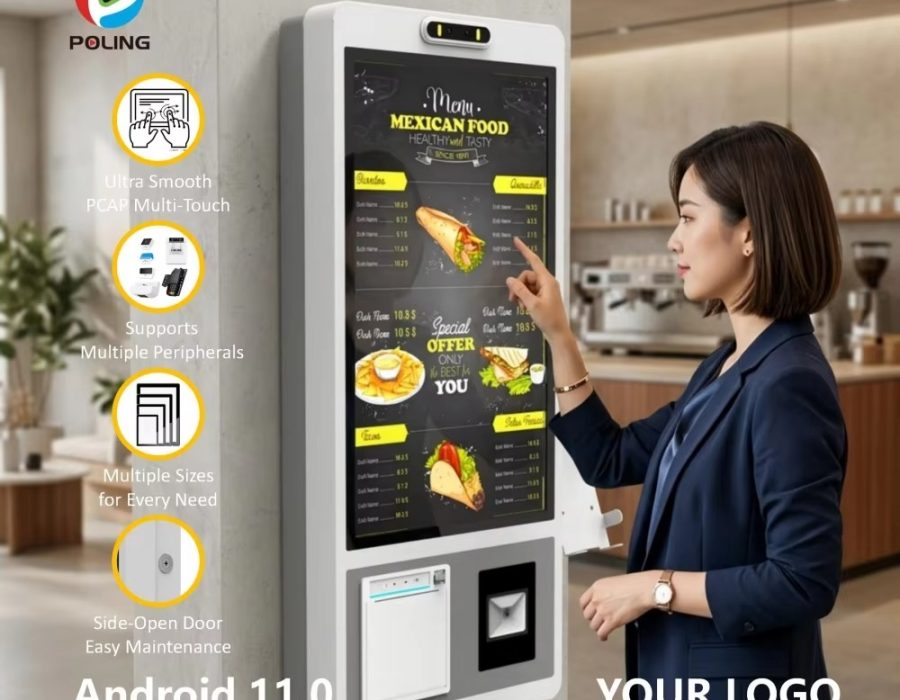
Deploying a commercial fast food ordering kiosk completely resolves front-of-house line bottlenecks during intense lunchtime rush hours. This modern digital self-service hardware choice guarantees faster ticket processing while expanding baseline average order values significantly.
Traditional manual counter service setups frequently hit severe labor constraints when hungry crowds arrive all at once. Conversely, automated touchscreen terminals allow multiple guest groups to build custom meal bundles simultaneously without friction.
Furthermore, this direct digital connection channels order tickets straight to kitchen display screens without human hearing errors. Ultimately, this reliable technology asset protects your daily revenue capture while keeping your operational labor costs highly predictable. Now, let us examine the core front-of-house bottlenecks that make old-fashioned cash registers highly inefficient today.
The Line Bottleneck: Why Manual Counter Ordering Fails Busy QSR Locations
Every experienced quick-service restaurant manager understands the deep stress of watching long lines snake out the front door. This visual congestion usually scares hungry commuters away, sending them directly to nearby automated competitors down the street.
How Human Cashier Fatigue Accelerates Order Accuracy Errors and Order Delays
During intense peak hours, cashiers face relentless pressure to process transactions as fast as possible. Consequently, workers often mishear custom ingredient requests or forget to mention ongoing promotional meal deals to guests.
These tiny communication breakdowns create massive order preparation mistakes that frustrate your kitchen staff and customers alike. Therefore, maintaining consistent order accuracy during busy periods requires a highly precise digital input system.
Why Rigid Ordering Lines Kill Your Casual Upselling Revenue Potential
Tired cashiers frequently skip asking standard upselling questions because they want to clear lines quickly. They simply do not have the spare time to pitch extra desserts or larger drink sizes to every guest.
As a result, your store loses profitable high-margin sales opportunities on almost every single transaction ticket processed. Therefore, integrating a smart self service restaurant terminal network becomes vital to protect your financial bottom line.
Technical Core: Deconstructing the Interface Mechanics of Smart Kiosk Software
To conquer long wait times, restaurant technology engineers completely re-engineered traditional visual point-of-sale layouts. Modern touchscreens combine intuitive icon-driven menu flows with smart upselling algorithms to optimize the entire ordering process.
Harnessing Dynamic Visual Menus for Rapid Meal Selection Processing
Elite restaurant software displays high-definition food photography that changes automatically based on current ingredient availability. Guests navigate through meal options using familiar smartphone gestures, building complex custom burgers in seconds.
Consequently, the digital interface guides users through modifiers logically, ensuring they see every optional premium add-on clearly. Your customers control their own ordering pace, which naturally encourages them to experiment with more menu items.
The Decisive Business Value of Integrated Payment Hardware Modules
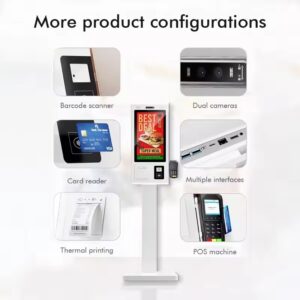
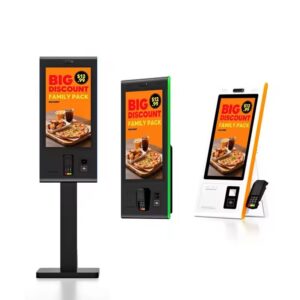
Commercial dining environments require rugged, multi-functional hardware configurations to maintain smooth performance across daily rush sessions:
-
Contactless Readers: Process Apple Pay and chip card transactions in fractions of a second to eliminate counter delays.
-
Thermal Ticket Printers: Deliver crisp, clear order numbers to guests instantly so they know their place in line.
-
Anti Glare Glass Coatings: Maintain screen visibility under bright indoor architectural lighting arrays.
-
Heavy Duty Metal Enclosures: Shield internal processing computer parts from accidental bumps and high-traffic wear.
Performance Matrix: Traditional Cashier Counters vs. Fast Food Ordering Kiosks
| Restaurant Performance Metric |
Traditional Cashier Service Counters |
Premium Fast Food Ordering Kiosk |
| Simultaneous Order Processing |
Limited (One order per active staff member) |
Multi Line (Scales up easily with extra stands) |
| Upselling Execution Rate |
Variable (Depends heavily on employee memory) |
Perfect 100% (Displays smart prompts every time) |
| Average Order Ticket Value |
Baseline Standard (Relies on plain text menus) |
Elevated (+20-30% via attractive visual packages) |
| Menu Update Velocity |
Slow (Requires printing fresh paper signs) |
Instant (Syncs digital files across locations) |
| Labor Allocation Freedom |
Tied to Register (Staff cannot leave counters) |
Highly Flexible (Workers re-deploy to food prep) |
Strategic Store Benefits: Slicing Service Wait Times and Boosting Average Tickets
Integrating an automated QSR touch screen solution into your floor layout delivers immediate, measurable financial returns. This equipment upgrade transforms chaotic, stressful counter rush hours into a highly predictable and organized food fulfillment pipeline.
Maximizing Ticket Size via Automated Dynamic Upselling Promotion Systems
Unlike distracted human employees, digital screens never forget to recommend a warm apple pie or extra cheese. The internal software analyzes current cart items instantly, suggesting complementary sides that match the guest’s taste preferences.
This smart visual prompting increases your overall check size by over twenty percent on average across daily shifts. This automated sales growth builds up fast, expanding your net corporate profit margins significantly over the fiscal year.
Reallocating Front House Labor to Accelerate Kitchen Order Assembly Speeds
Moving order entry tasks to automated terminals frees your team members from standing behind cash registers all day. You can re-deploy those valuable labor hours straight to the kitchen line to accelerate food assembly workflows.
Your order preparation times drop dramatically, allowing your team to fulfill the increased digital ticket volume effortlessly. This operational balance keeps food hot and fresh, maximizing customer satisfaction scores during your busiest business quarters.
Operations Protocol: Rolling Out Digital Kiosks for Seamless Store Traffic Flow
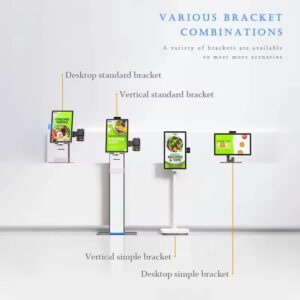
Achieving rapid line clearance requires positioning your self-service hardware stands according to proper retail traffic principles. Ensure your regional facility installation teams execute these mandatory setup steps during every new store technology rollout.
-
Place Terminals Near Entrances: Catch guest attention immediately as they walk through your front doors.
-
Maintain Clear Walking Paths: Leave wide spaces around screens so lines do not block pickup counters.
-
Deploy Clear Floor Signage: Guide first-time users toward digital screens using bold graphic floor stickers.
-
Assign a Kiosk Ambassador: Keep one friendly staff member nearby to help senior guests navigate screens.
Following this simple storefront configuration sequence prevents crowd confusion, ensuring your customer traffic flows smoothly through your space. It establishes an ideal self-service environment that allows your managers to focus completely on food quality control.
FAQ:
Will installing a fast food ordering kiosk force me to lay off my counter staff?
Not at all. Implementing self-service systems simply shifts your labor focus from order taking to high-speed food preparation and assembly. Your employees spend less time tapping screens and more time ensuring orders remain accurate, fresh, and beautifully packaged. This smart labor shift allows you to handle much higher order volumes without increasing your total payroll headcount.
How does the touchscreen hardware handle daily sanitation concerns in busy restaurants?
Premium restaurant terminals utilize heavy-duty antimicrobial glass surfaces that resist bacterial buildup across long operating shifts. Furthermore, store cashiers can wipe the sealed glass faces down with standard sanitizing sprays without damaging internal circuits. Regular quick cleanings keep your lobby looking pristine, ensuring guests feel completely safe using the ordering screens.
Can the internal software system handle complex custom ingredient substitutions smoothly?
Yes, the modern digital menu backend allows users to add or remove specific ingredients with clear touch buttons. Guests can request extra sauce, hold the onions, or swap standard buns for gluten-free options effortlessly. The screen displays the exact price adjustments in real time, preventing any unexpected surprises when guests pay.
What happens to the ordering flow if the local restaurant internet connection drops out?
Top-tier digital kiosks store your core menu architecture and item graphics locally on their internal hardware drives. This local storage allows the terminal to continue processing guest selections smoothly even during temporary network drops. The system queues the local transaction data safely, syncing the tickets with your main servers once connections restore.
Future-Proof Your Restaurant Operations with Smart Automation
Relying on manual counter ordering lines leaves your quick-service restaurant business highly vulnerable to peak-hour revenue losses. You cannot maintain aggressive growth targets if long lines constantly drive hungry customers toward your digital-first competitors. Upgrading your store infrastructure to leverage an advanced interactive drive thru ordering system alters your operational capability completely. This strategic technology investment balances high-definition visual menus with smart upselling systems to protect your business throughput.
Stop letting counter bottlenecks and order accuracy mistakes limit your restaurant brand achievements this fiscal year. Invest in field-proven, low-maintenance self-service terminals that maximize your transaction speeds and deliver pristine order files. Your kitchen crew will love the clear digital tickets, and your accountant will love the larger check sizes. Modernize your quick-service equipment strategy today to take absolute operational control over your brand’s daily dining traffic.

 by
by